Table Of Content

After giving birth, a drop in estrogen levels can cause hair to start excessively shedding. The stress and trauma of birth can also cause hair shedding. Postpartum hair loss is typically the most noticeable after four months, but hair often grows back to its usual thickness in a year. Hair loss, or alopecia, is when your hair starts to thin, gradually shed, or fall out in clumps. Sudden hair loss can be temporary, due to stressors, hormonal changes and other environmental factors.
Other conditions and medications
In many cases, hair loss can be successfully treated, or action taken to prevent further hair loss. The key to getting results is knowing the true cause of your hair loss. Excessive hair shedding can become long-term if you continue to experience high levels of stress for an extended period. Having excessive hair fall out, or shed, can be upsetting and stressful.
Hair loss
How to Stop Receding Hairline: 12 Home and Medical Remedies - Medical News Today
How to Stop Receding Hairline: 12 Home and Medical Remedies.
Posted: Fri, 24 Nov 2023 08:00:00 GMT [source]
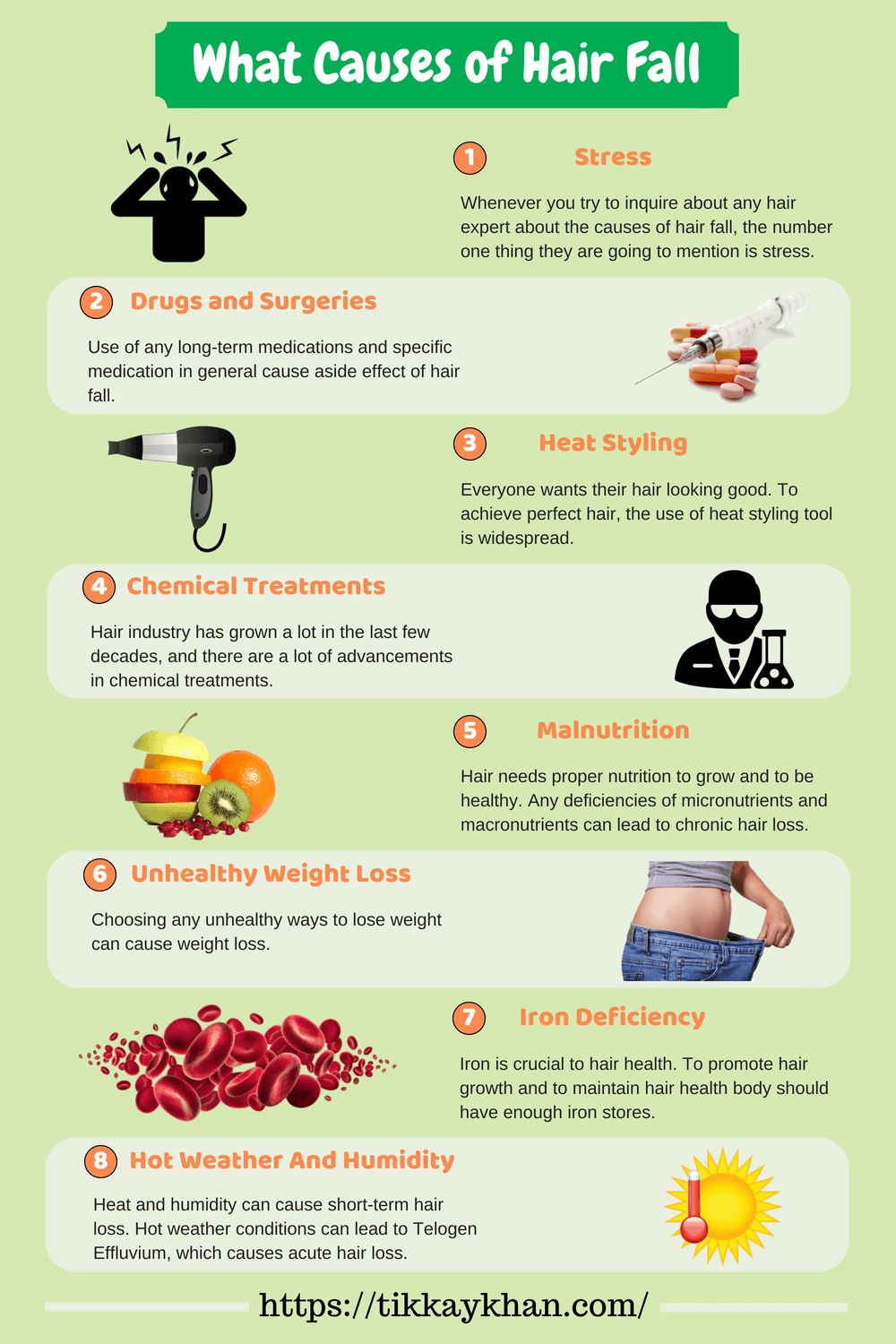
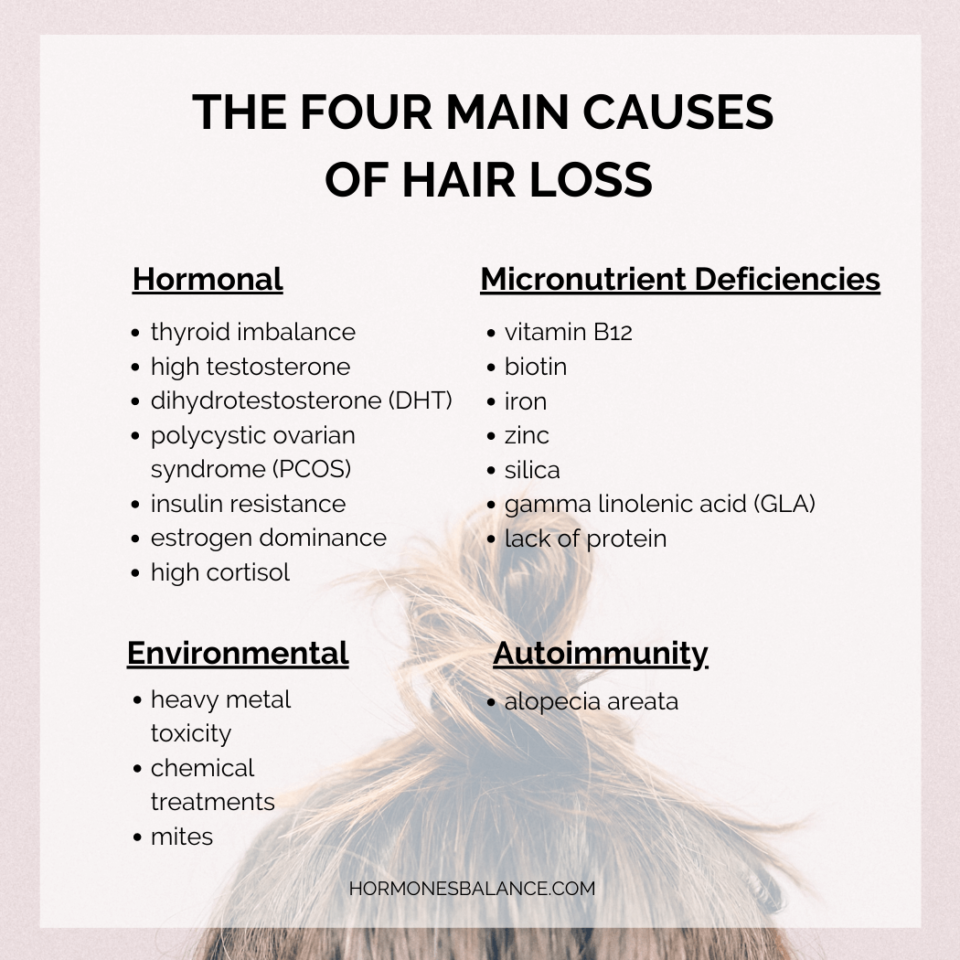
Hair loss can be a side effect of anemia (low iron levels). It can also be caused by shortages of other nutrients, including B vitamins and vitamin D. “Our body needs certain vitamins and nutrients to build hair,” notes Dr. Khetarpal. Illness can trigger hair loss, especially if it goes hand-in-hand with a high fever. “Any major shock to the body can cause you to start shedding two or three months later,” Dr. Khetarpal says. But it’s a sign that can take time to reveal itself.
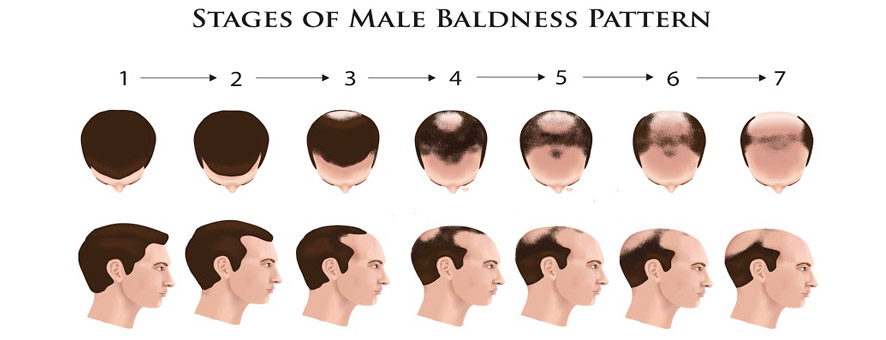
Male-pattern baldness
Female-pattern baldness typically starts with scalp hairs becoming progressively less dense. Many women first experience hair thinning and hair loss where they part their hair and on the top-central portion of the head. Baldness typically refers to excessive hair loss from your scalp.
If you're starting to go bald, it could feel like you're losing a piece of your identity. Understanding the cause of your excessive hair loss can help you decide if treatment options are right for you or if your hair will grow back. The best way to slow or stop hair loss is to find and address the underlying cause.
When to see a doctor about hair loss
She has also written a book profiling young female activists across the globe and is currently building a community of such resisters. Some forms of hair loss are hereditary or caused by illness, so there’s no foolproof way to prevent clumps from falling out. Treatment for hair loss tends to be most effective when started early.
When — and how — should you be screened for colon cancer?
Talk with your doctor about your concerns and the potential causes for your hair loss. They can recommend a treatment that’s right for you. “It’s important to have a discussion with your doctor to find the right treatment,” says Dr. Khetarpal. And in the case of alopecia, the sooner you start, the better.
However, many people have reported losing hair at times of extreme mental stress or anxiety. And hair loss for other reasons can still be stressful. Women may lose hair following childbirth or while in menopause. Women who have hormonal imbalances can have hair loss. Losing hair normally doesn’t have much effect on your appearance or warmth, as your head has plenty more to make up for the daily loss. But there may be a more significant reason for your hair loss when you start seeing your scalp or bald spots.
Can stress cause hair loss?
It’s also the most common cause of hair loss, affecting up to 50% of people. There are several types of hair loss, some are common and some are rarer, and each with different underlying causes. In many cases, a person’s hair will return to its usual state once a doctor has treated the underlying condition. A person should contact a doctor for a blood test to check whether they have a nutritional deficiency that could be causing their hair to fall out. If a person thinks that hair loss may be due to a medication, they can consult a doctor for an assessment.
Telogen effluvium is usually a temporary condition that resolves over time, but it is advisable for people to contact a doctor to determine the cause. A doctor may need to treat the underlying cause of the condition to reduce hair loss. In the type of patchy hair loss known as alopecia areata, hair loss occurs suddenly and usually starts with one or more circular bald patches that may overlap.
New hair normally replaces the lost hair, but this doesn’t always happen. People can develop hair loss where boots, socks, or tight clothing frequently rubs against their skin. Left untreated, a sexually transmitted infection (STI) can lead to hair loss. Left untreated, syphilis can cause patchy hair loss on the scalp, eyebrows, beard, and elsewhere. For your hair to regrow, you have to stop pulling it. Many people who have plaque psoriasis develop psoriasis on their scalp at some point.
Childbirth can result in hair loss for several months after delivery. Alopecia areata is an autoimmune condition that causes your immune system to attack hair follicles, resulting in bald patches that can range from small to large. It’s important to talk to your healthcare provider before starting any form of treatment for hair loss. Some types of treatment aren’t safe to use if you’re pregnant, planning on becoming pregnant or going through menopause. People may experience hair loss while using birth control pills. Others might experience hair loss several weeks or months after they stop taking birth control pills.
Biotin — also known as vitamin H or B7 — is involved in fatty acid production in your body. This process is essential to the life cycle of hair, and you may experience hair loss if you have a biotin deficiency. Male pattern baldness -- you may hear it called androgenetic alopecia -- is triggered by the genes you got from your parents. Exactly how it is inherited isn't clear, but it does tend to run in families.
Hair loss is caused by your follicles’ response to the hormone dihydrotestosterone (DHT). Female pattern baldness often results in thinning all over the scalp and might look like widening or thinning around the part. It typically occurs after age 65 but, for some females, it can begin early in their lives. There are around 100,000 follicles sprouting hair on the average scalp, and it’s common to lose up to 100 strands a day. Once an individual hair has shed, the follicle prepares for regrowth and the whole cycle starts again.